Moulded GRP Grating
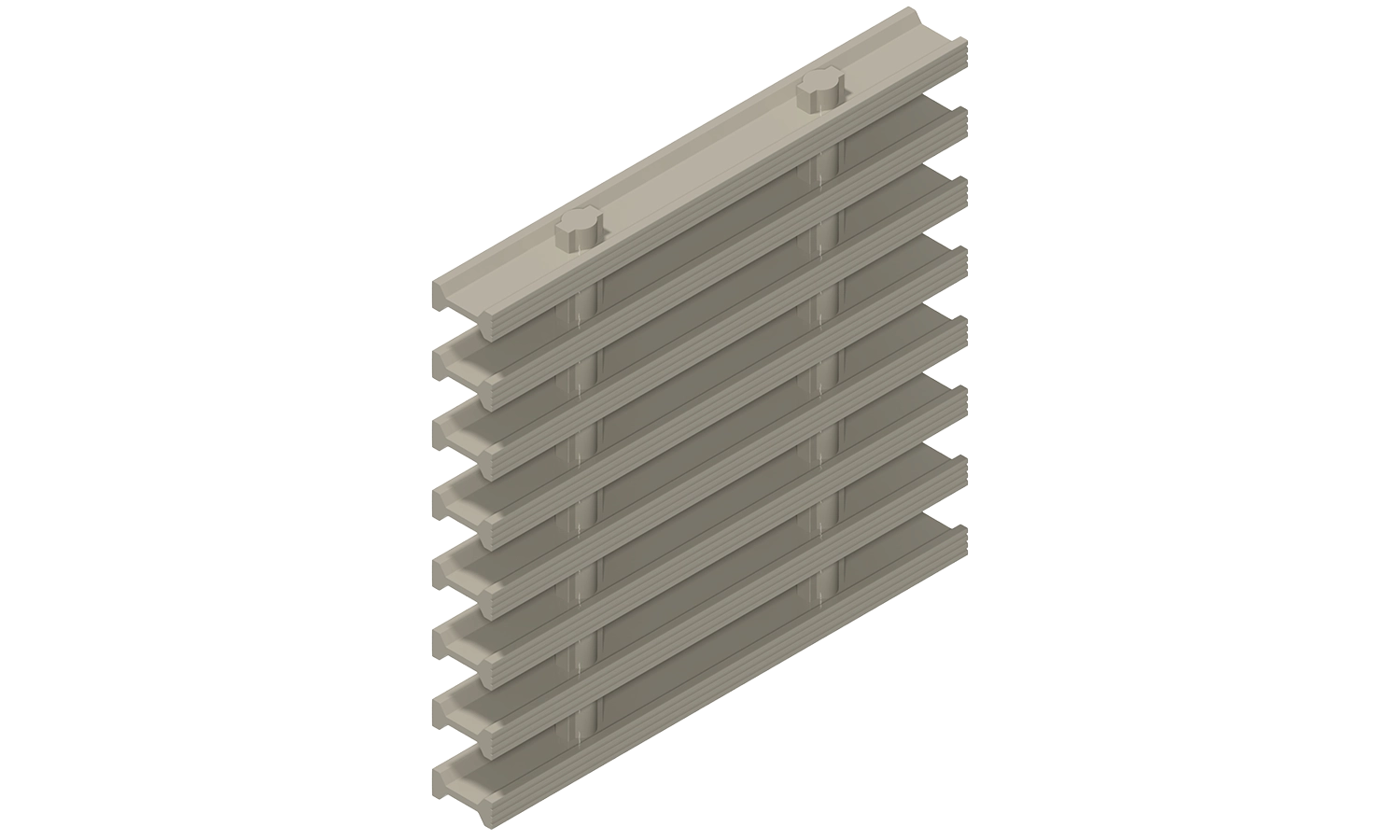
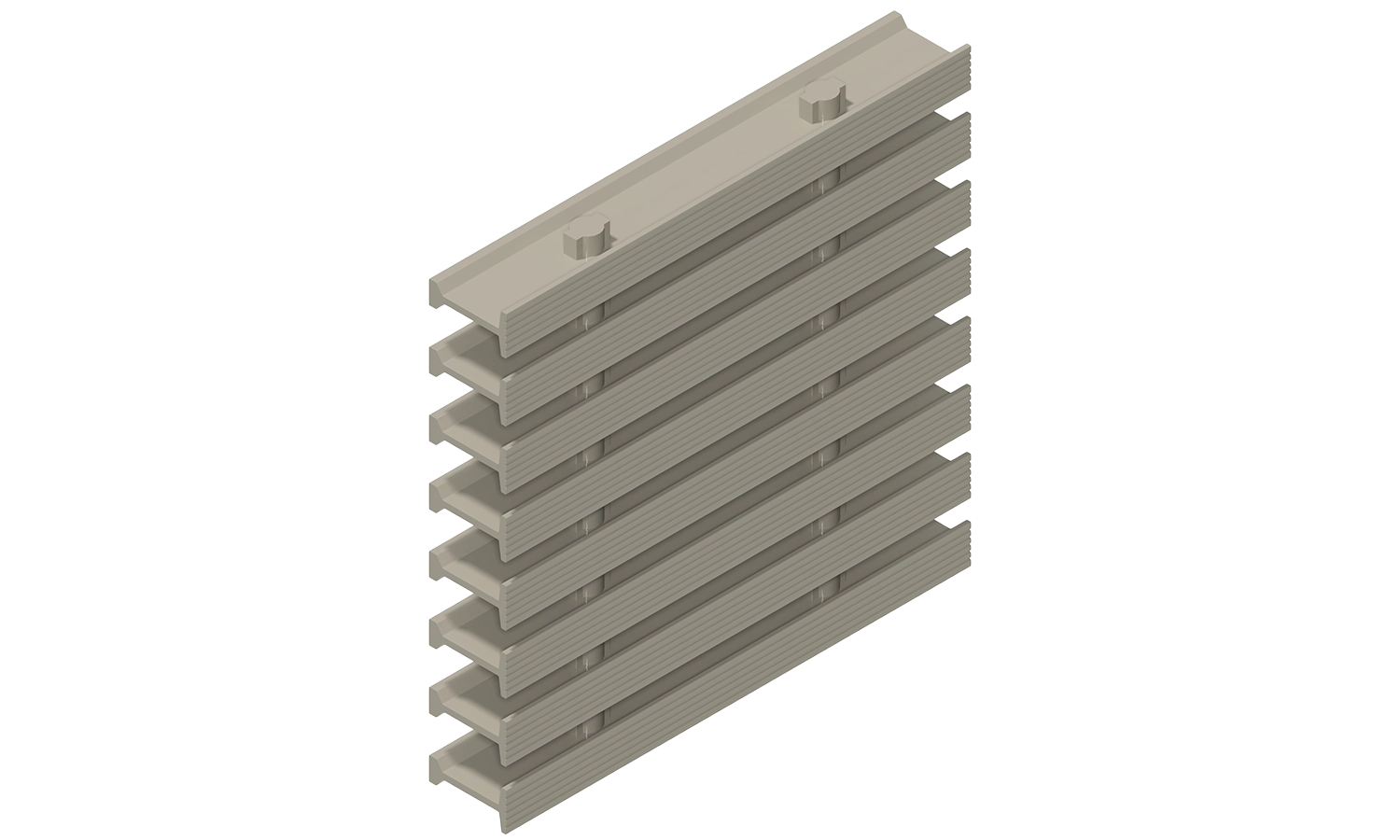
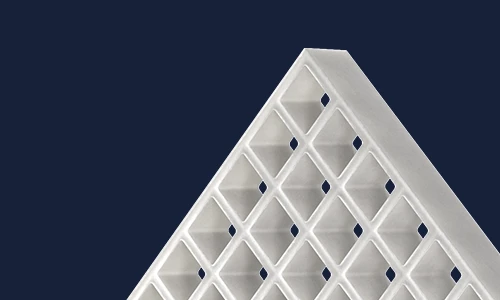
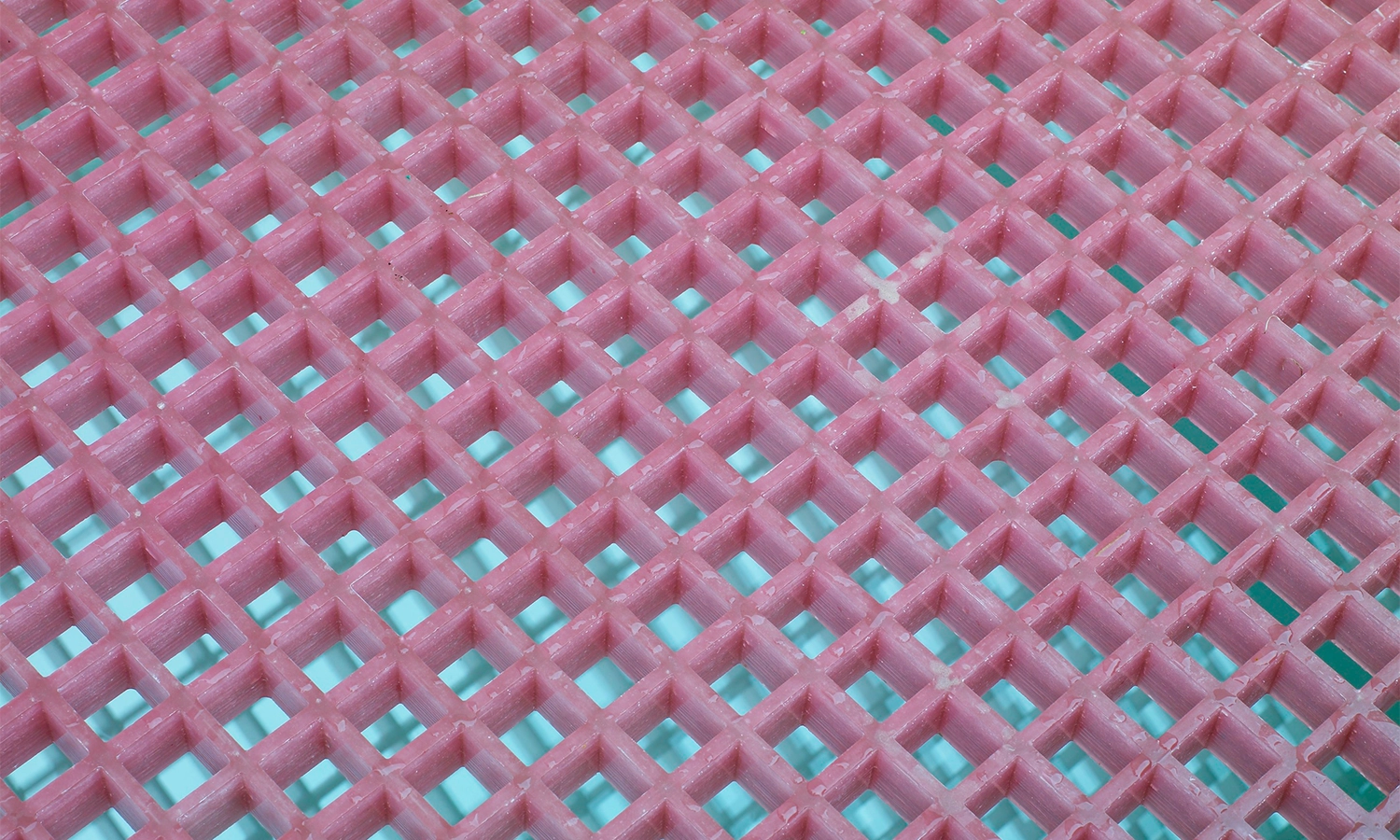
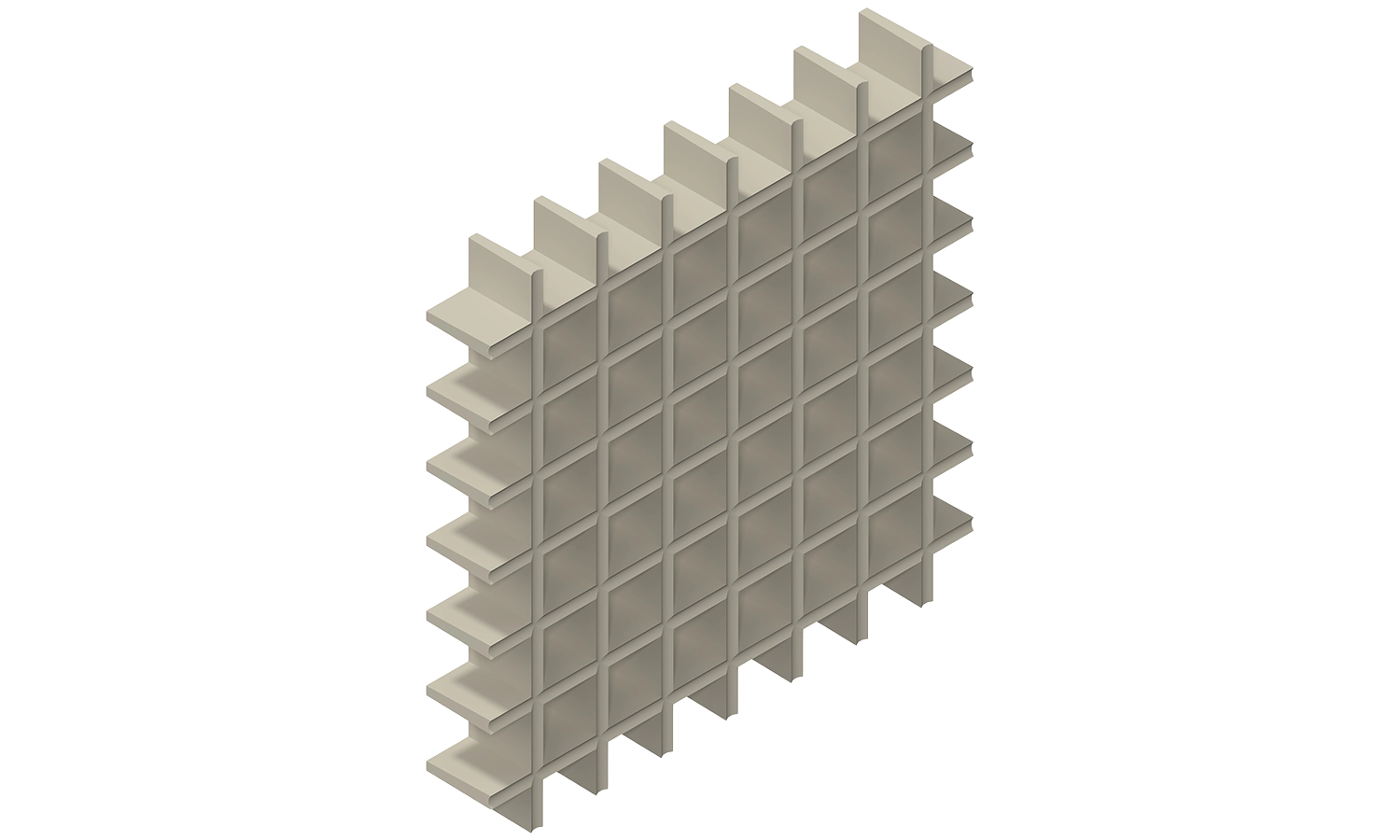
The bearing bars of moulded GRP grating run in full height in both directions whereby a steady and high resilience is reached. The percentage of glass in the grating comprises max. 40 % due to technical requirements.
Jump to the corresponding section on this page
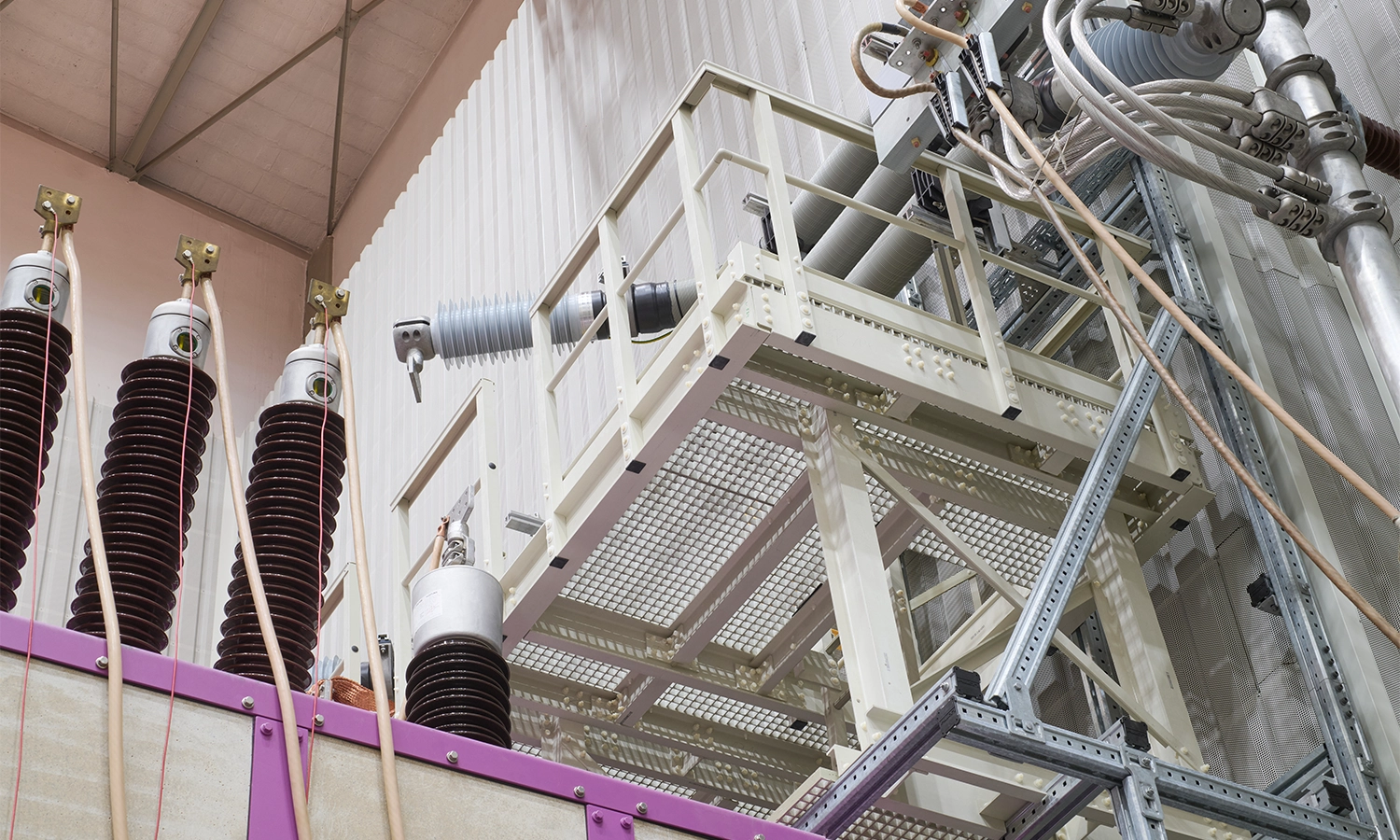
GRP flooring systems have been specifically developed for industrial and public applications where outstanding corrosion resistance is essential.
The bearing bars of moulded GRP grating run in full height in both directions whereby a steady and high resilience is reached. The percentage of glass in the grating comprises max. 40 % due to technical requirements.
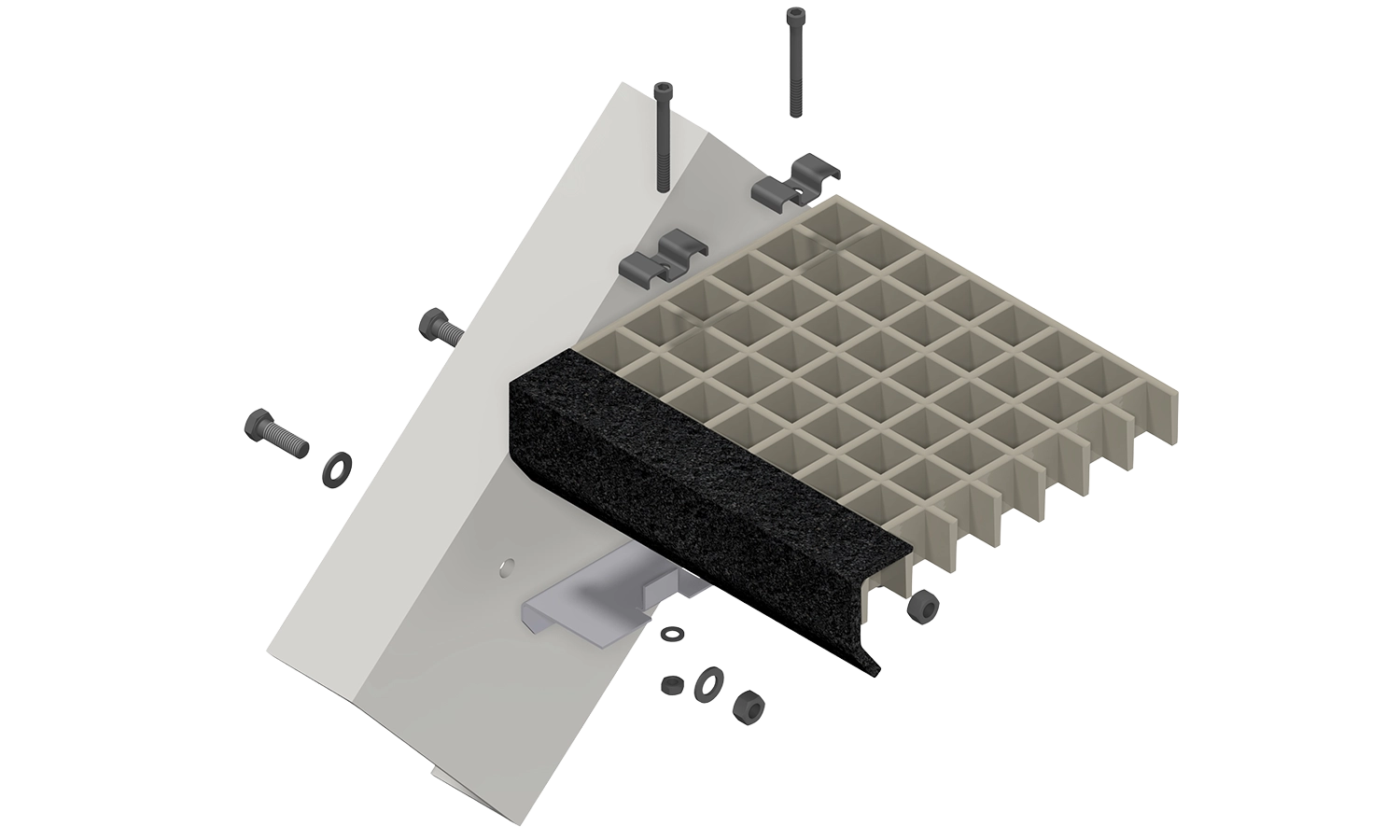
MEISER moulded GRP stairtreads are manufactured with a closed, anti-slip surface and a highly visible black safety nosing as standard. A yellow safety nosing is also available as an option.
I-bar type pultruded GRP gratings are manufactured from pultruded bearing bars and cross bars with a glass fibre content of approximately 68 %.
T-bar type pultruded GRP gratings offer the same structural advantages as the I-profile system. Manufactured from pultruded bearing bars and cross bars with approximately 68 % glass content, they provide excellent stiffness, enabling greater spans and reduced structural (...)
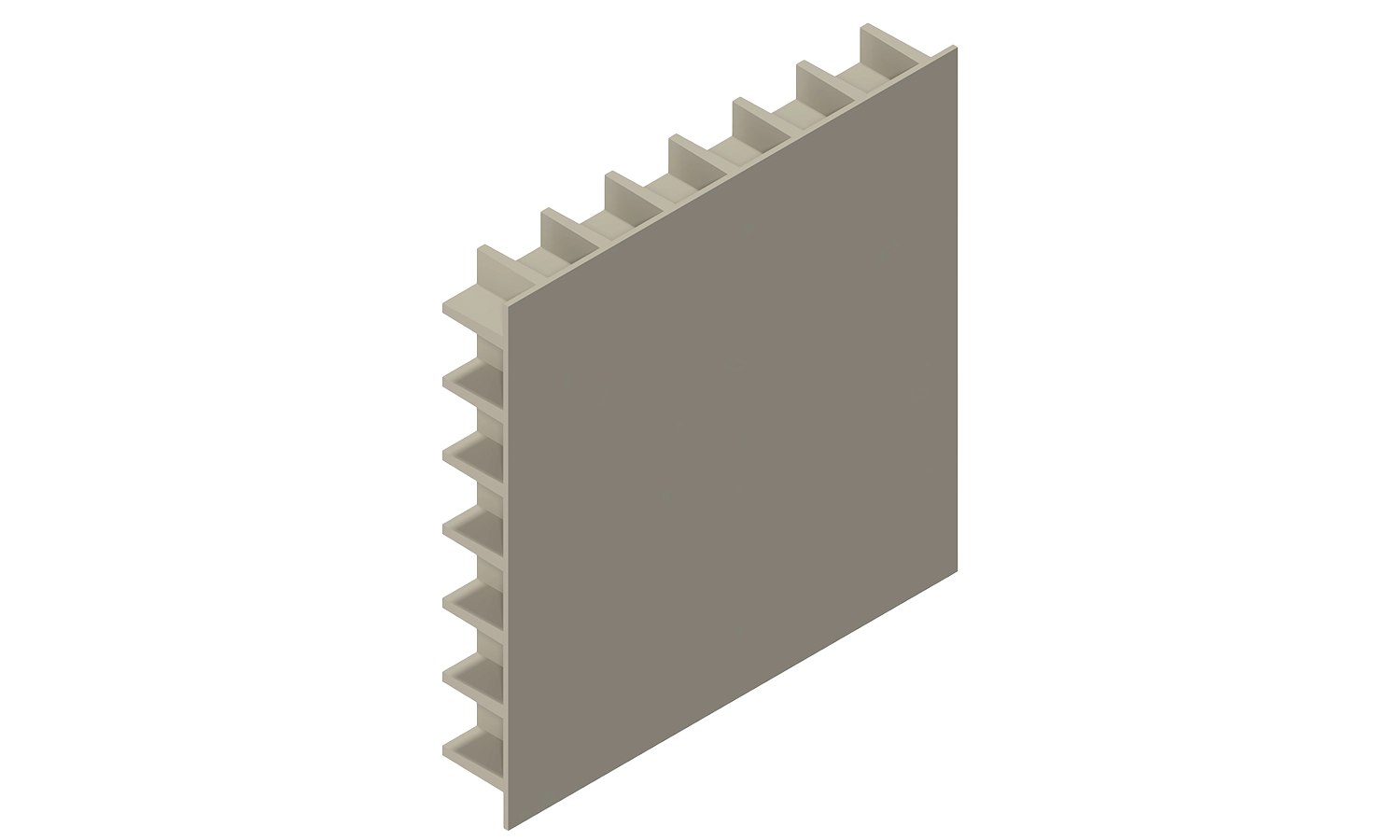
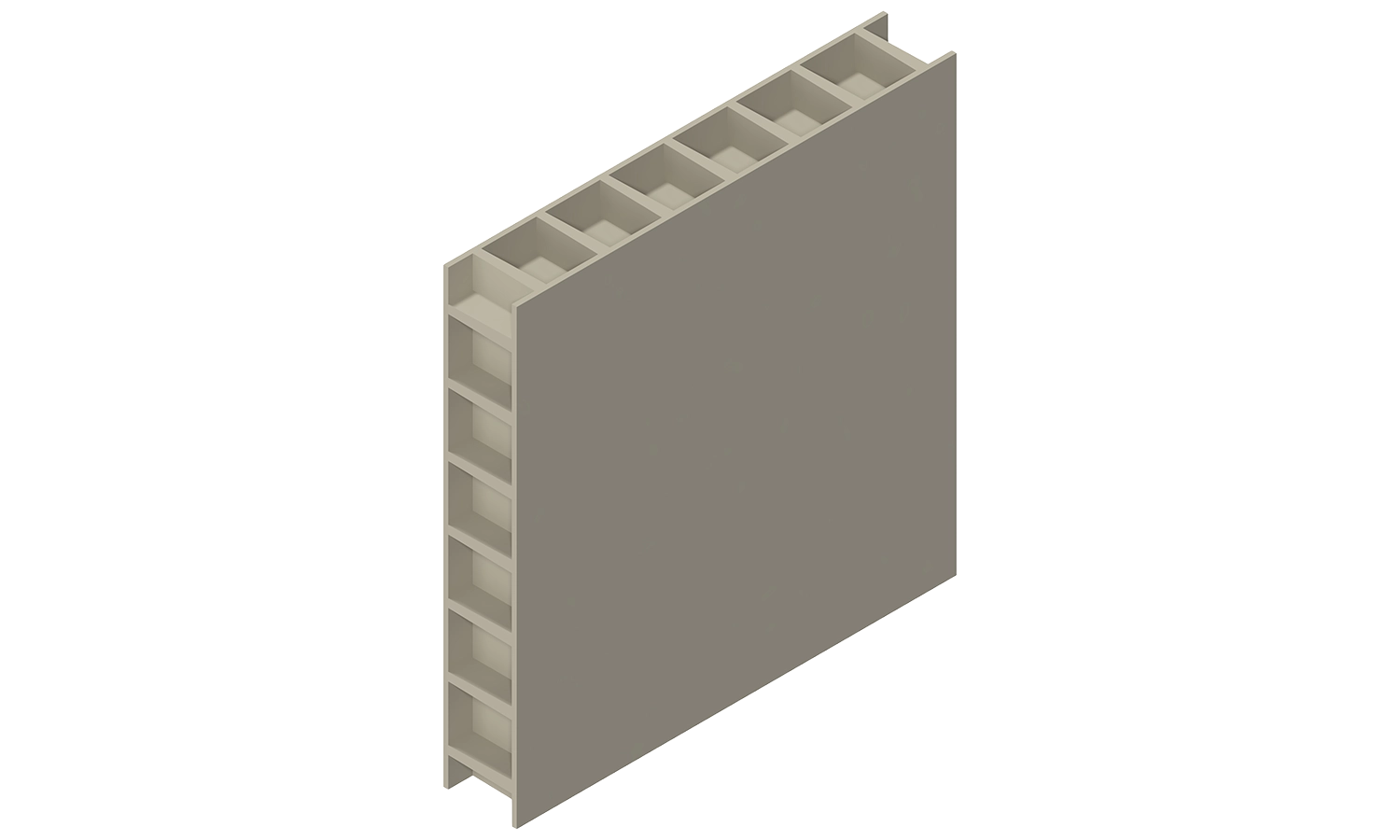
The MEISER GRP Safety Floor combines a load-bearing GRP grating with a laminated GRP cover panel. The standard panel thickness is 3 mm, with optional panel thicknesses of up to 5 mm available.
GRP sandwich gratings consist of a load-bearing GRP grating laminated between two GRP panels—one on the upper side and one on the underside. The standard panel thickness is 3 mm, with optional thicknesses of up to 5 mm available.
MEISER GRP Safety Floor Panels are supplied as standard with a 3 mm thick, corundum-coated anti-slip surface. They are ideally suited for upgrading existing walking surfaces such as landings, walkways, stairways and ladders to improve slip resistance. Alternative panel (...)
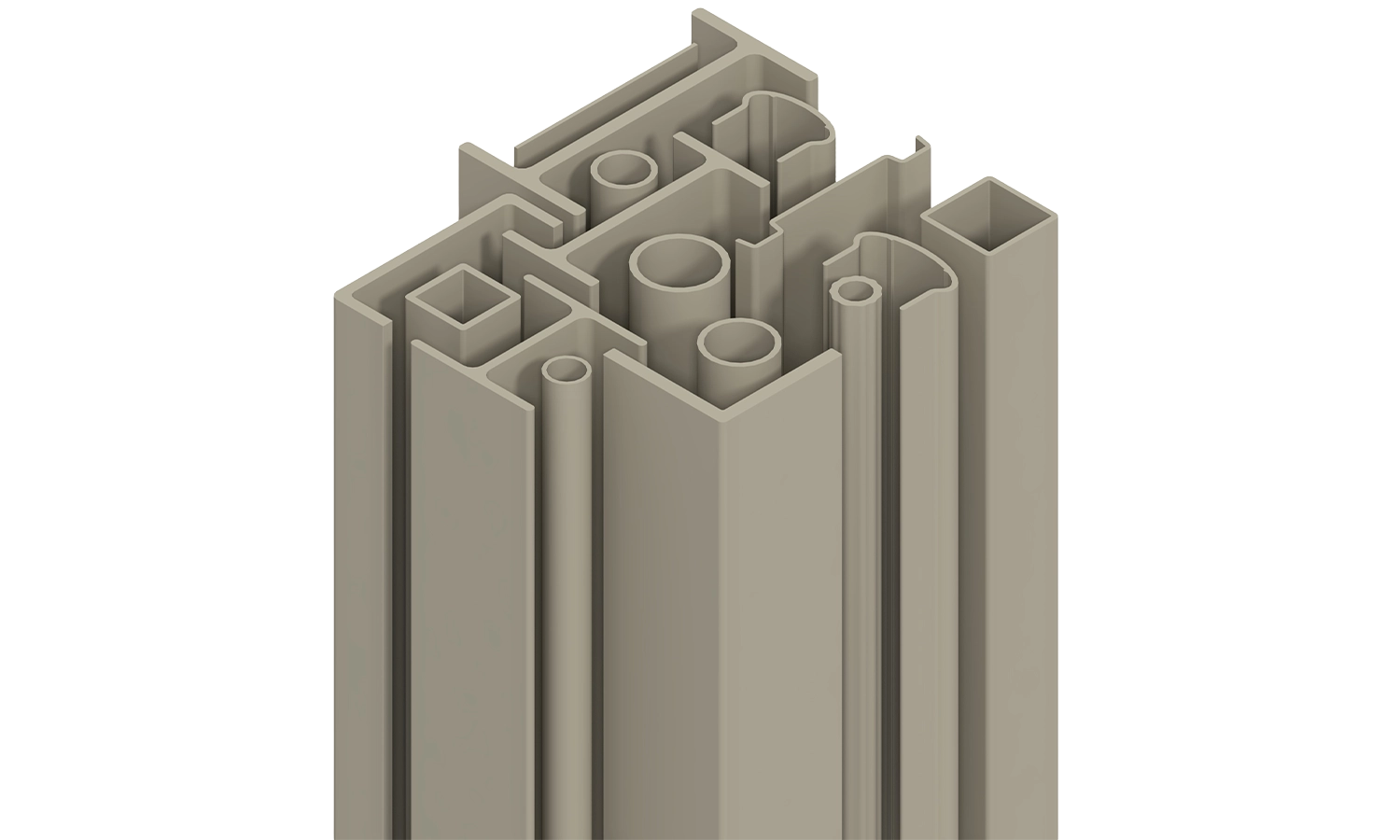
MEISER GRP construction profiles provide an innovative alternative to traditional construction materials such as steel, aluminium, timber and concrete.
Using a comparatively small range of standard profiles, a wide variety of structures can be realised, including stairways, platforms, gangways and ladders.
On the base of our GRP standard profiles the construction of comprehensive structures as catwalks, staircases and platforms is possible.
From initial planning and 3D modelling through structural calculations and prefabrication to transportable assemblies, MEISER provides a complete engineering and manufacturing service.
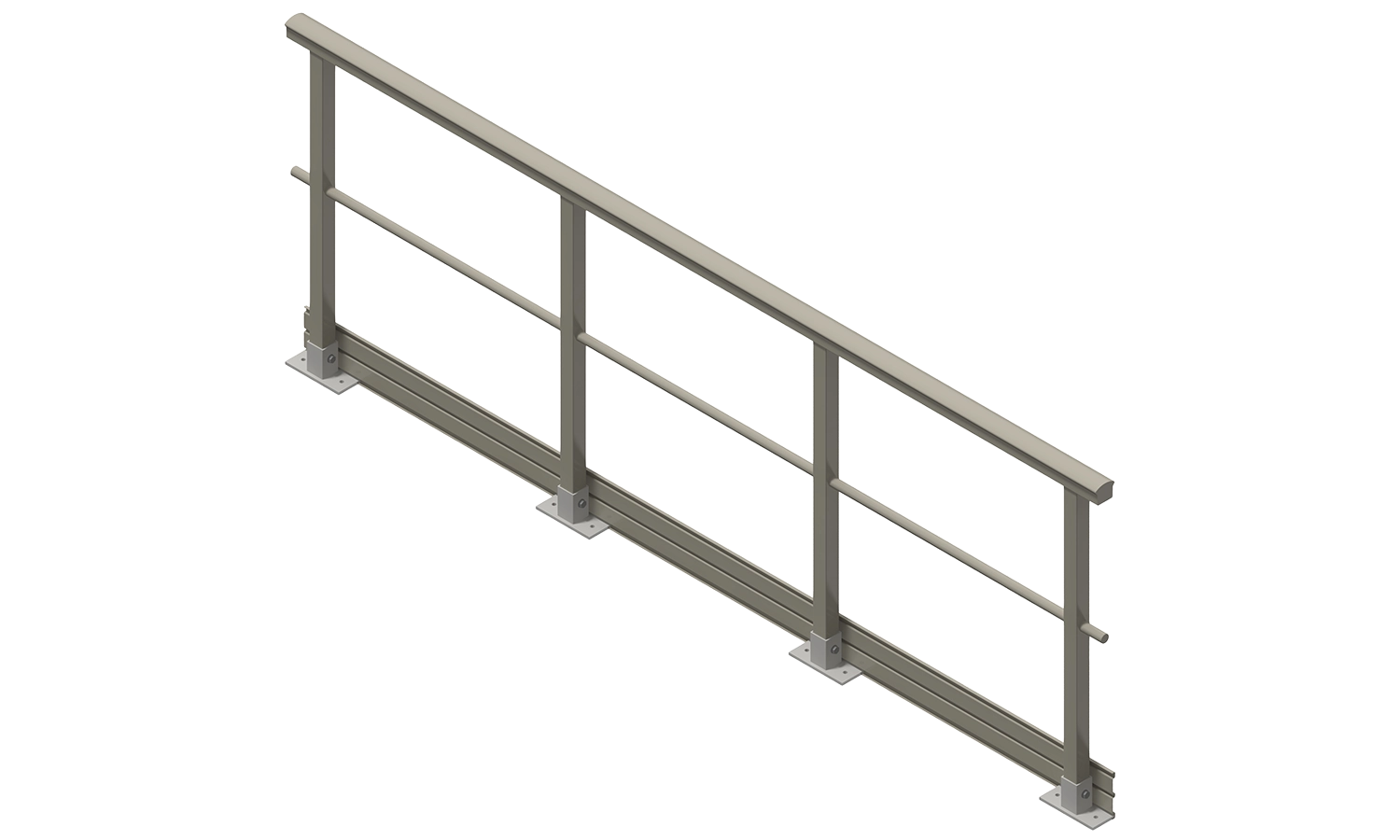
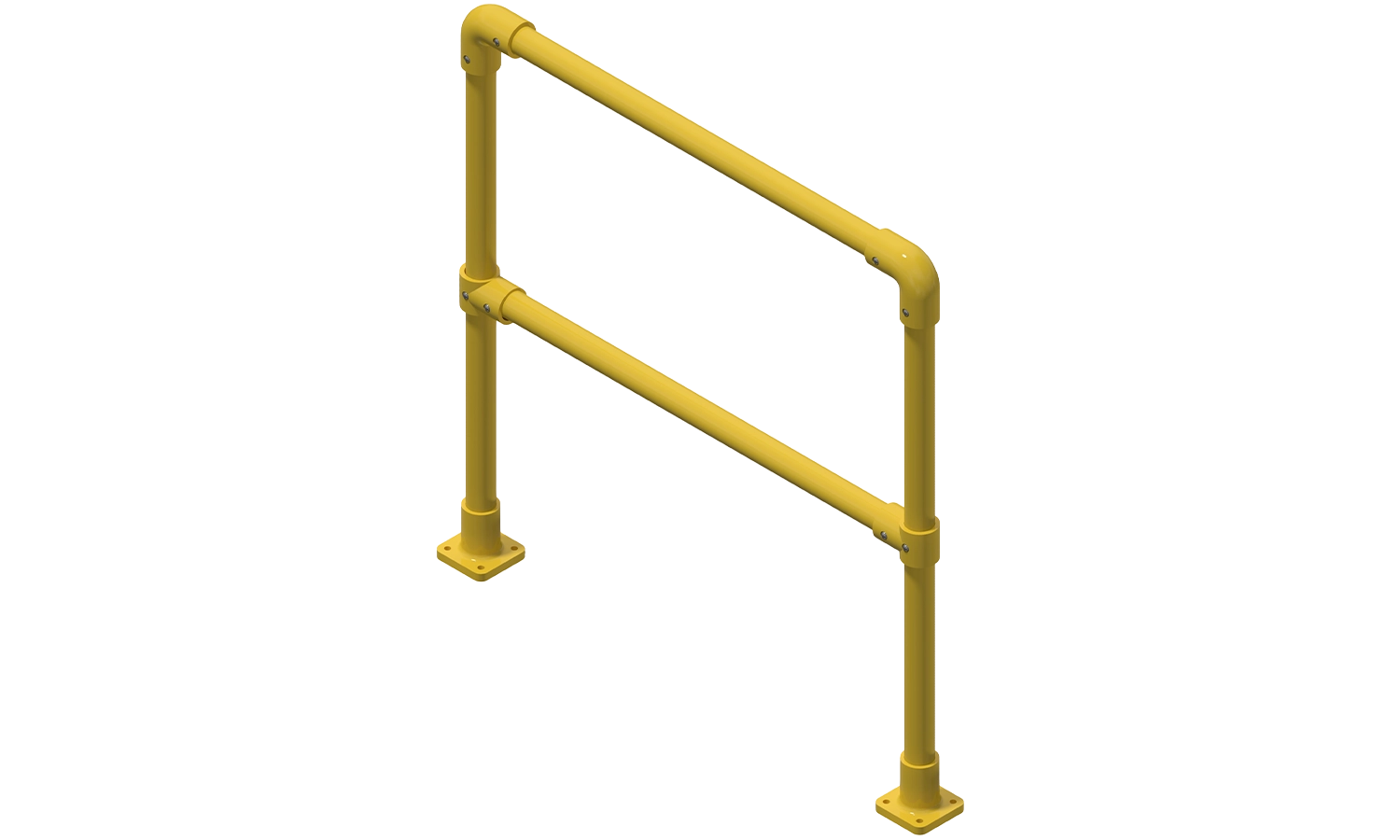
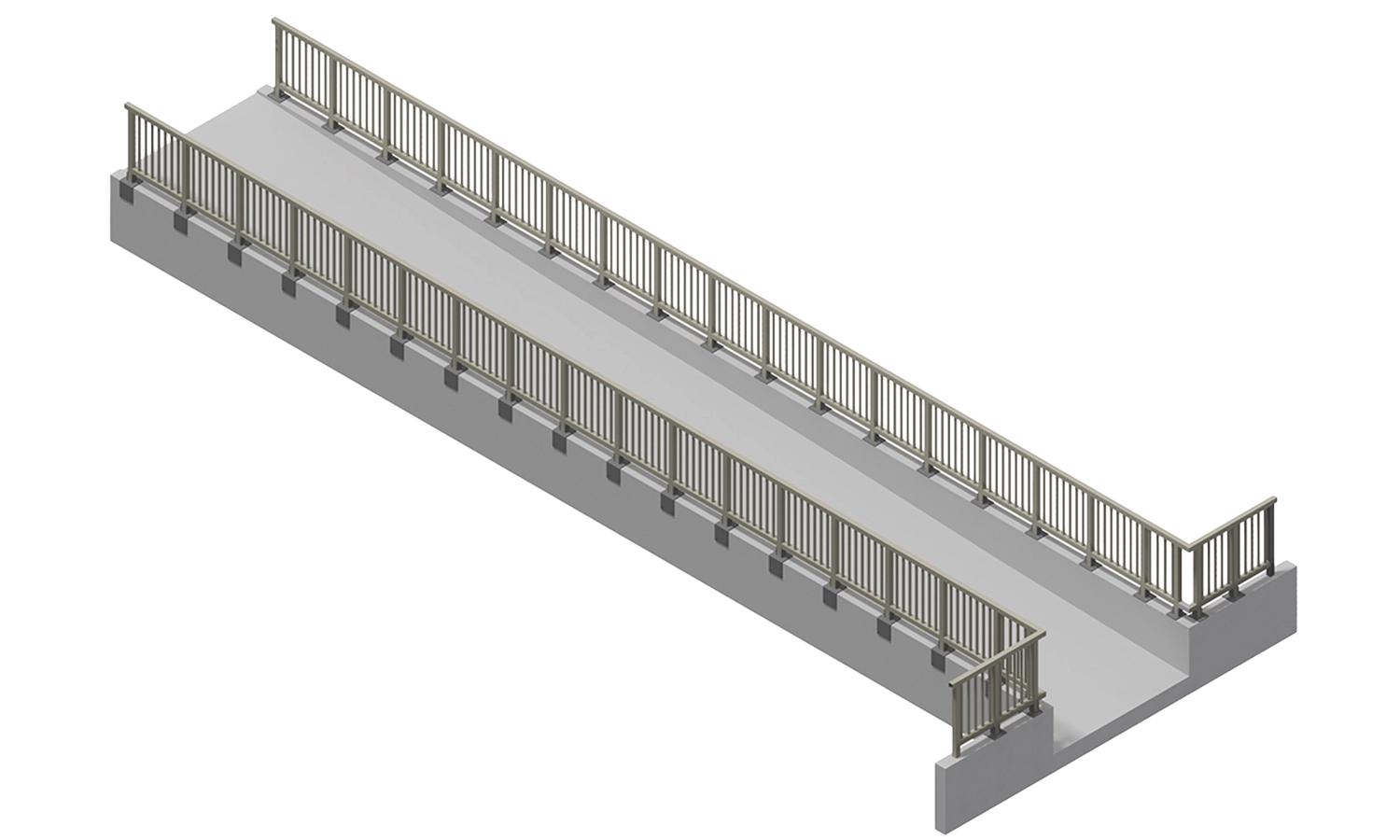
GRP guardrails provide a highly corrosion-resistant, lightweight and easy-to-install alternative to conventional metal railing systems.
The MEISER GRP Standard Guardrail complies with DIN EN ISO 14122-3 and consists of an ergonomically shaped handrail, single or double knee rail and toe board.
The GRP roundtube guardrail is constructed using Ø50 mm GRP tubes connected with specially developed GRP fittings.
For applications requiring increased protection against climbing or falling through, MEISER also offers GRP crossbar guardrails.
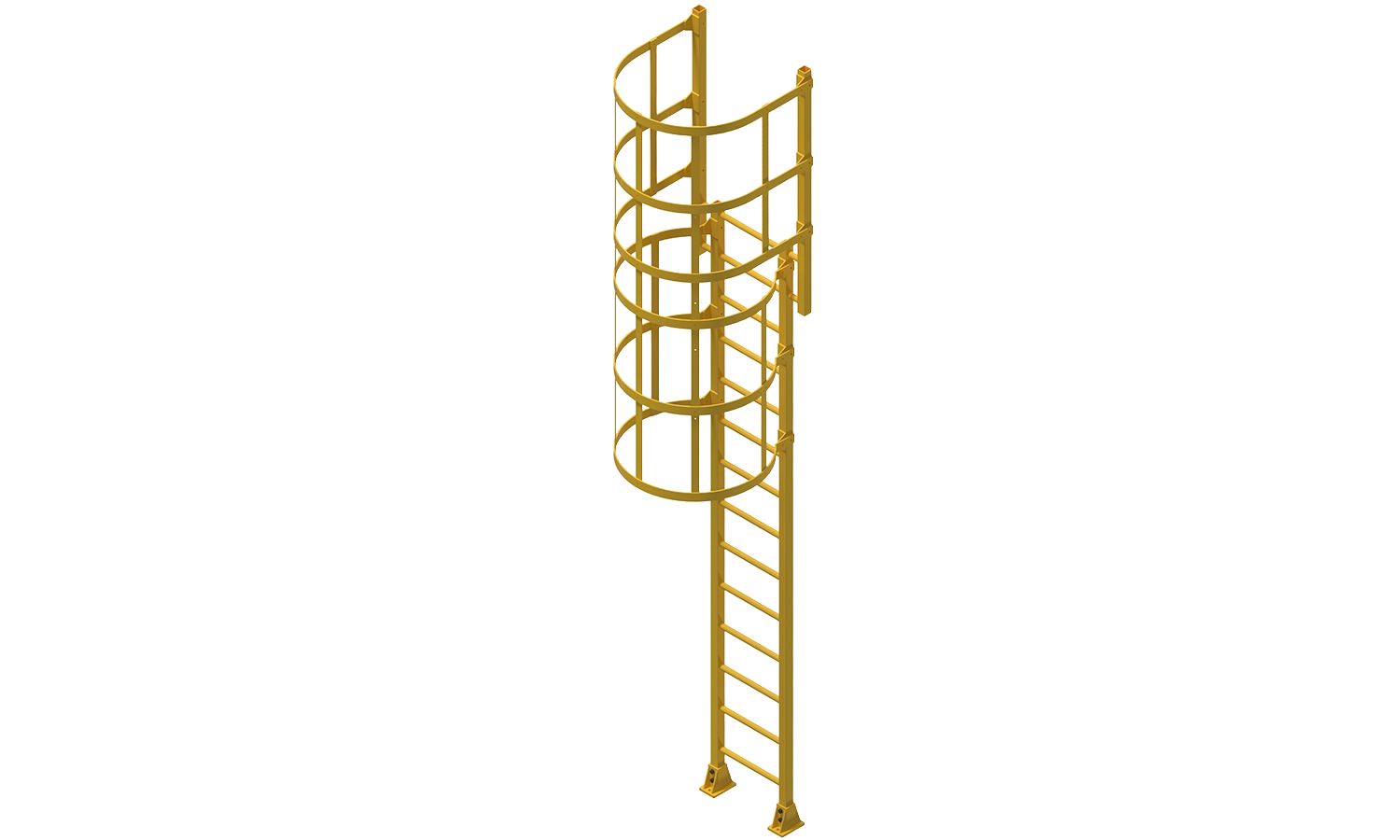
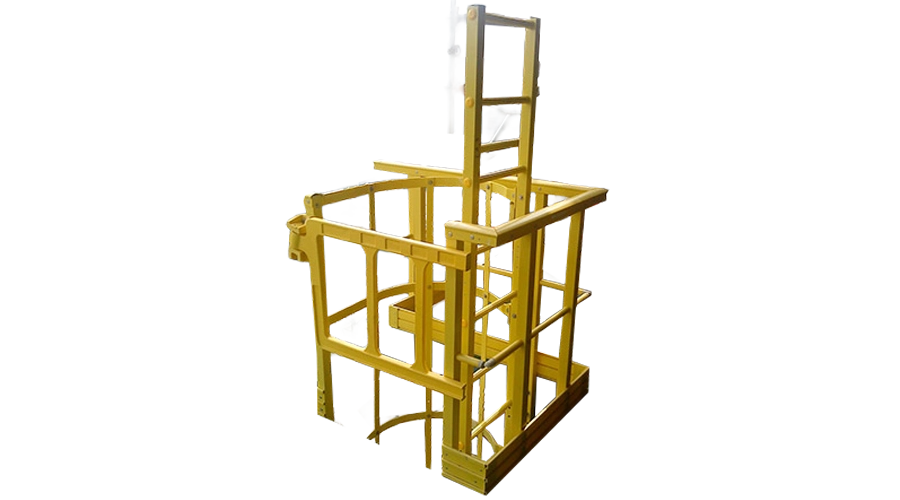
MEISER GRP ladders are manufactured from high-quality pultruded GRP profiles and comply with the requirements of DIN EN ISO 14122-4 and EN 131. Their outstanding corrosion resistance, electrical insulation properties and low maintenance requirements make them ideal for demanding industrial environments.
MEISER GRP ladders are manufactured from premium-quality pultruded GRP profiles, providing excellent structural strength, outstanding corrosion resistance and exceptional electrical insulation.
According to DIN EN ISO 14122-4, self-closing safety gates must be installed at the entry and exit points of permanently installed ladders where required by the relevant risk assessment.
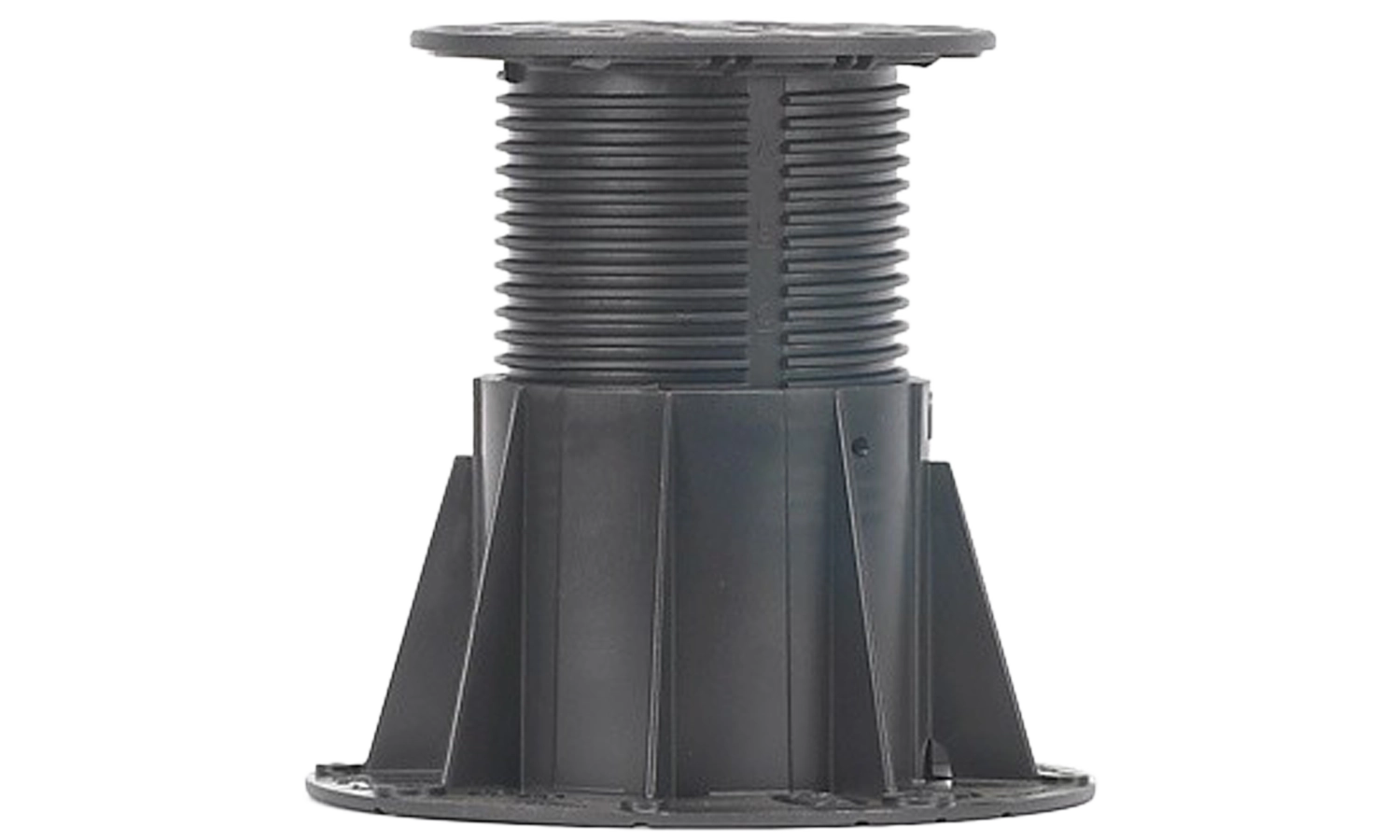
MEISER BC adjustable pedestals are manufactured from high-quality polypropylene (PP-C) and provide a versatile support system for raised flooring applications.
Their continuously adjustable design allows floor levels to be set with millimetre precision, making them suitable for a wide range of installation requirements while ensuring a stable, level support structure.